Board of Regents
Marinduque State University
About Us
As provided by R.A 11334 Sec. 5, the highest governing body of the Marinduque State University is the Board of Regents (BOR), composed of:
- Commissioner, Commission on Higher Education (CHED), Chairperson
- President, Marinduque State University, Vice-Chairperson
- Chairperson, Senate Committee on Education, Arts and Culture, Member
- Chairperson, House Committee on Higher and Technical Education, Member
- Director, National Economic & Development Authority (NEDA), Region IV-B, Member
- Director, Department of Science and Technology (DOST), Region IV-B, Member
- Director, Department of Agriculture (DA), Region IV-B, Member
- President, Marinduque State University Faculty Federation, Inc., Member
- President, Marinduque State University Supreme Student Council Federation, Inc., Member
- President, Marinduque State University Alumni Federation, Inc., Member
- Two (2) Prominent Citizens/Private Sector Representatives
- Board Secretary
Board of Regents

Hon. Desiderio R. Apag III
CHED Commissioner
Chairperson
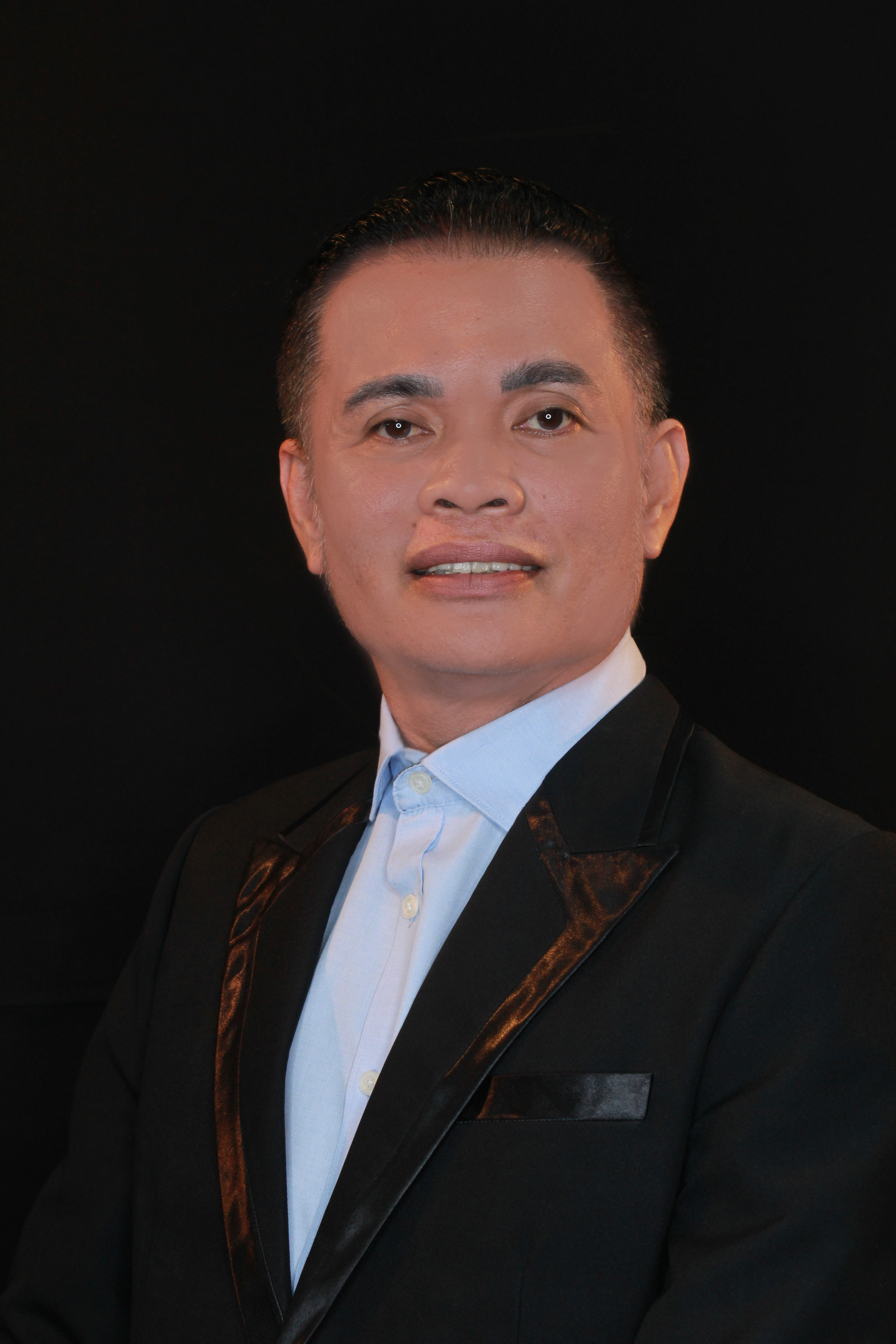
Hon. Diosdado P. Zulueta
University President
Vice-Chairperson

Hon. Emmanuel Joel J. Villanueva
Senate Committee Chair on Higher, Technical & Vocational Education
Member

Hon. Jude A. Acidre
House Committee Chair on Higher & Technical Education
Member

Hon. Agustin C. Mendoza
Regional Director, DEPDEV MIMAROPA
Member

Hon. Christopher R. Bañas
Regional Executive Director, DA RFU MIMAROPA
Member

Hon. Bernardo N. Sepeda
Regional Director, DOST MIMAROPA
Member

Hon. Nolasco P. Revilla
SSC Federation President
Member
Hon. Joy R. Profugo
Faculty Federation President
Member
Hon. Carmencita D.L. Laus
Alumni Federation President
Member
Hon. Fr. Ian R. Retardo
Private Sector Representative
Member
Hon. Carina J. Motol
Private Sector Representative
Member

Dr. Maria Morena V. Santos
Board Secretary
Powers and Duties of the Board of Regents
The Board, in addition to its general powers of administration and the exercise of all the powers granted to the Board of Directors of a corporation under existing laws, shall have the following specific powers and duties:
- Promulgate and implement policies in accordance with the declared State policies on education, agriculture, science and technology, and the policies, standards and thrusts of CHED under RA 7722;
- Approve curricula, instructional programs, and rules of discipline;
- Appoint officials and employees upon recommendation of the University President;
- Fix and adjust salaries subject to applicable laws and regulations;
- Fix tuition and other school fees and manage University funds;
- Adopt socialized tuition schemes under RA 10931;
- Establish professorial chairs and grant fellowships;
- Receive and allocate funds for University operations;
- Set policies on admission and graduation;
- Award honorary degrees and certificates;
- Establish research and extension centers;
- Develop academic linkages and partnerships;
- Adopt modern teaching and learning systems;
- Collaborate with SUCs in Region IV-B;
- Expand access through satellite campuses and programs;
- Conduct management audits and implement reforms;
- Develop partnerships with LGUs and institutions;
- Import academic materials and publications;
- Enter into joint ventures for University development;
- Receive and manage donations and assets;
- Authorize infrastructure development;
- Extend term of University President under guidelines;
- Delegate authority to officials;
- Promote transparency and participative governance;
- Outsource non-academic services when advantageous;
- Promulgate rules necessary for University operations.