Poctoy, Torrijos, Marinduque – In response to rising fuel prices and the increasing cost of living, Marinduque State University (MarSU) launched a livelihood assistance program for fisherfolk and tricycle drivers in Torrijos to help families address economic challenges.
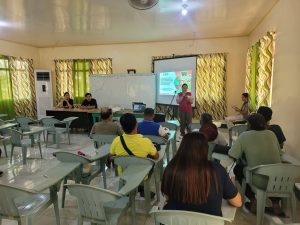
On May 28, 2026, beneficiaries assembled at the Community Outreach Center, MarSU Compound, Poctoy, Torrijos, Marinduque, to receive support through the DOST-PCAARRD AANR Bayanihan: Community Pantries and Quick Response Extension Initiative Program. This program aims to deliver immediate assistance using science and technology-based interventions and to foster sustainable development.
The activity was implemented through two DOST-PCAARRD-funded projects of the MarSU College of Agriculture: the “Revitalizing Native Pig (Markaduke Pig) Raising through Harmonized Forage-based Feeds Production and Processing Technology” and the “Enhancing the Phenotypic and Genotypic Characteristics of Native Pigs Through a Closed Nucleus Farm” led by Dr. Doreen R. Mascarenas and Mr. Harvey A. Dulay, respectively. The initiative was designed to assist fisherfolk and tricycle drivers whose livelihoods have been adversely affected by rising gasoline and crude oil prices. Fisherfolk continue to face increasing operational costs for fishing activities, while tricycle drivers struggle with reduced daily earnings due to higher fuel expenses.
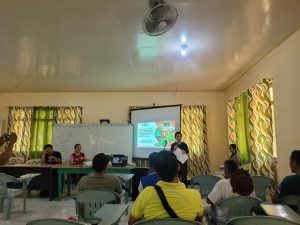
Before the dispersal activity, the participants were welcomed by Ms. Cherry Rose Robles, the Extension Coordinator of the College of Agriculture. They were also provided with an orientation on Native Pig Farming by the Markaduke Native Pig R & D Center Chief, Mr. Harvey A. Dulay, giving them a better understanding of the proper management of native pigs, and the opportunities that native pig production can offer as a sustainable source of income. The orientation also emphasized the importance of adopting science-based technologies to improve productivity and profitability.
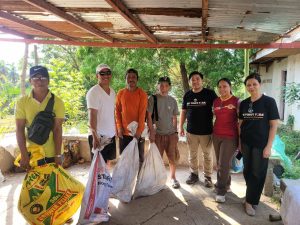
Following the orientation, beneficiaries received Markaduke native pig stocks and forage planting materials that will serve as the foundation of their livelihood enterprises. The forage materials will enable beneficiaries to establish their own feed resources, reducing dependence on costly commercial feeds and making native pig production more affordable and sustainable.
The event was attended by Torrijos Municipal Mayor Hon. Joepen Peñaflor, who expressed his support for the initiative and commended the partnership between DOST-PCAARRD and MarSU in bringing practical and research-based solutions to local communities. His presence underscored the commitment of the local government to programs that promote livelihood development and economic resilience among Torrijos residents.
The project implementers emphasized that the assistance provided is only the beginning of a broader capacity-building program. Beneficiaries are expected to participate in a series of trainings that will further enhance their knowledge and skills in managing their livelihood enterprises. These include Feed Processing Training, Basic Financial Literacy, and other capability-building activities designed to ensure the long-term success and sustainability of the project.
The forage-based feeding technology promoted by MarSU utilizes locally available feed resources, helping reduce production costs and increasing the profitability of native pig raising. Combined with the dispersal of improved native pig stocks, the technology offers beneficiaries a practical pathway toward improved income, food security, and self-reliance.
For the fisherfolk and tricycle drivers who received the assistance, the activity represented more than the distribution of animals and planting materials—it marked the beginning of a new opportunity to build resilient livelihoods amid economic uncertainties. Through the continued partnership of DOST-PCAARRD, MarSU, and the Local Government Unit of Torrijos, the program demonstrates how research, extension, and community collaboration can create meaningful and lasting impacts in the lives of ordinary Filipinos.